Most sellers know a clean car sells better than a dirty one. Fewer stop to ask whether a full detail is a smart expense or just a nice gesture. It is a fair question, because every dollar spent before a sale has to come back in some form.
The honest answer depends on the car, the buyer, and how you plan to sell. A ten-year-old commuter and a well-kept family SUV do not benefit in the same way.
This guide looks at what a detail actually involves, how it shapes a buyer’s first impression, and the situations where you can safely skip it.
What a Full Detail Actually Covers
A full detail goes well beyond a drive-through wash. A proper interior and exterior detailing service is a top-to-bottom reset: exterior decontamination, polishing where the paint needs it, a protective layer of wax or sealant, and a deep clean of seats, carpets, vents, and door jambs.
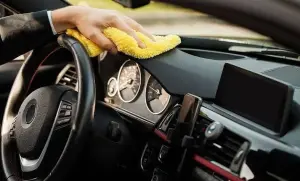
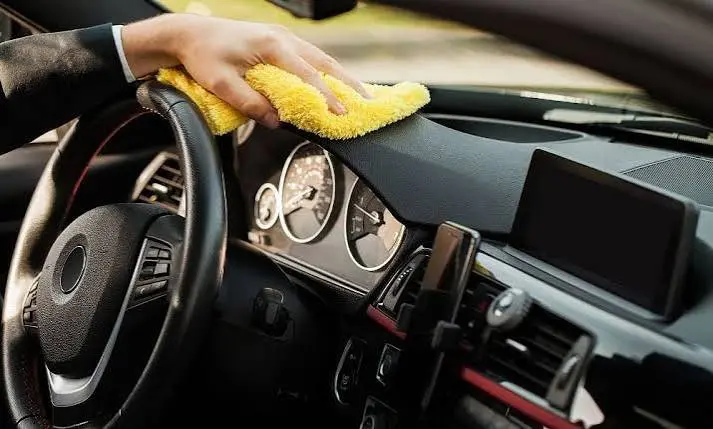
The interior is where the difference shows most. Extraction lifts stains from upholstery, conditioner revives tired leather, and tight spots like cupholders and seat rails get attention that a vacuum nozzle never gives them.
Think of it as the gap between tidying a room and deep cleaning it. Two sellers can list the same model on the same day, and one car will simply look more cared for.
How Presentation Shapes Buyer Perception
Buyers judge a used car quickly, and mostly with their eyes and noses. A spotless cabin and a clean, glossy finish suggest an owner who paid attention, which makes the maintenance records feel more believable.
That impression carries into negotiation. Kelley Blue Book’s selling guide encourages owners to rate their car’s condition honestly with its condition quiz, and condition is a major driver of value. Dull paint, stained seats, and lingering odors are the kind of flaws that read as neglect, yet they are also among the easiest to fix.
Picture two otherwise identical SUVs listed the same weekend. The one with a clean cabin and sharp photos tends to draw more serious inquiries and fewer lowball offers.
What Buyers Notice First in a Walkthrough
Most buyers follow a predictable path. They circle the exterior, open the driver’s door, sit down, and take a slow look at the dashboard, seats, and floor mats.
Smell often registers before sight does. Smoke, pet odors, and damp carpets are hard to ignore, and they make a buyer wonder what else has been overlooked. A deep clean with proper odor treatment addresses the cause, while an air freshener only hides it for an afternoon.
Small details matter more than most owners expect. Grimy door jambs, sticky cupholders, and cloudy headlights all hint at deferred care, and each one gives a buyer a reason to ask for a discount. A detailer can usually correct all three in a single visit, which removes those talking points before the conversation starts.
When It Pays Off, and When It Doesn’t
A detail makes the most sense when the car runs well but looks tired. Family vehicles with crushed snacks, pet hair, or a sun-faded dashboard often show the biggest visual lift.
It makes less sense when the car has serious mechanical problems, heavy body damage, or a market value so low that the service costs more than any realistic price bump. In those cases a careful DIY clean is usually enough, and the money is better spent on the repair a buyer will actually ask about.
Your selling route matters too. A private sale rewards presentation more than a trade-in does, since an individual buyer is judging the car as a whole. AAA’s trade-in guidance suggests researching your car’s value on sites like Kelley Blue Book first, so you know what to expect before deciding how much to invest.
A simple test helps. Run your car through a valuation tool twice, once rated as fair and once as good, and compare the price gap to the cost of the service.
If the gap clearly exceeds the cost, the detail is easy to justify. If the two are close, consider a lighter package or tackling part of the job yourself.
Island and Coastal Conditions Add Another Layer
Cars that live near the ocean collect salt, sun, and humidity that an ordinary wash does not fully address. AAA notes that UV rays can dry out materials and fade paint, and that sun, rain, and salt speed up wear in places you cannot easily see.
In Hawaii, that often looks like a fine salt film on the paint, red dirt packed into the wheel wells and carpets, and years of sun on the dashboard. Local buyers know these signs, and they tend to check for chalky clear coat and cracked trim.
A detail that removes salt residue and finishes with a UV-resistant sealant can make a car look noticeably younger. In a climate this hard on vehicles, presentation counts for more because condition is more fragile.
DIY or Professional?
A patient owner can do a respectable job at home. Washing, vacuuming, and wiping down surfaces are easy wins, while paint correction, stubborn odors, and stained upholstery are harder, and the wrong product can leave swirl marks or damage trim.
Professional help tends to make sense when time is short or the problems are stubborn. Mobile providers such as RC Mobile Detailing Hawaii come to your home or workplace, which suits sellers who are already juggling listings and showings.
If you hire someone, ask what is included before you book. A complete detail should cover paint decontamination, upholstery cleaning, and a protective finish, not just a quick shine.
Small Prep Steps That Make a Detail Go Further
A detail works best on a car that has been cleared out. Take out personal items, loose change, child seats, and trunk clutter before the appointment, so the work can reach every surface.
Gather your paperwork at the same time. Service records, the title, and any warranty documents belong in one tidy folder, because a clean car backed by organized records tells a consistent story.
Then think about photos. Shoot in soft daylight right after the detail, before you drive anywhere, and capture the exterior from several angles along with the dashboard, front and rear seats, and cargo area. Photos are usually the first thing a buyer sees, and they only help if the car is spotless when you take them.
If the listing runs for more than a week or two, a quick wipe-down before each showing keeps the results fresh. Dust and fingerprints return quickly, especially in humid weather.
The Bottom Line
For most cars in decent mechanical shape, a full detail is a reasonable investment before selling. It strengthens the first impression and makes lowball offers harder to justify. It is not a guaranteed profit, so match the spend to the car’s value.
Timing helps. Book the detail just before you take photos or schedule showings, and keep the car clean until it sells.
A detail makes a car look its best; it does not hide real problems. Be upfront about condition, and the shine will work in your favor.