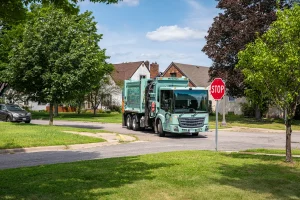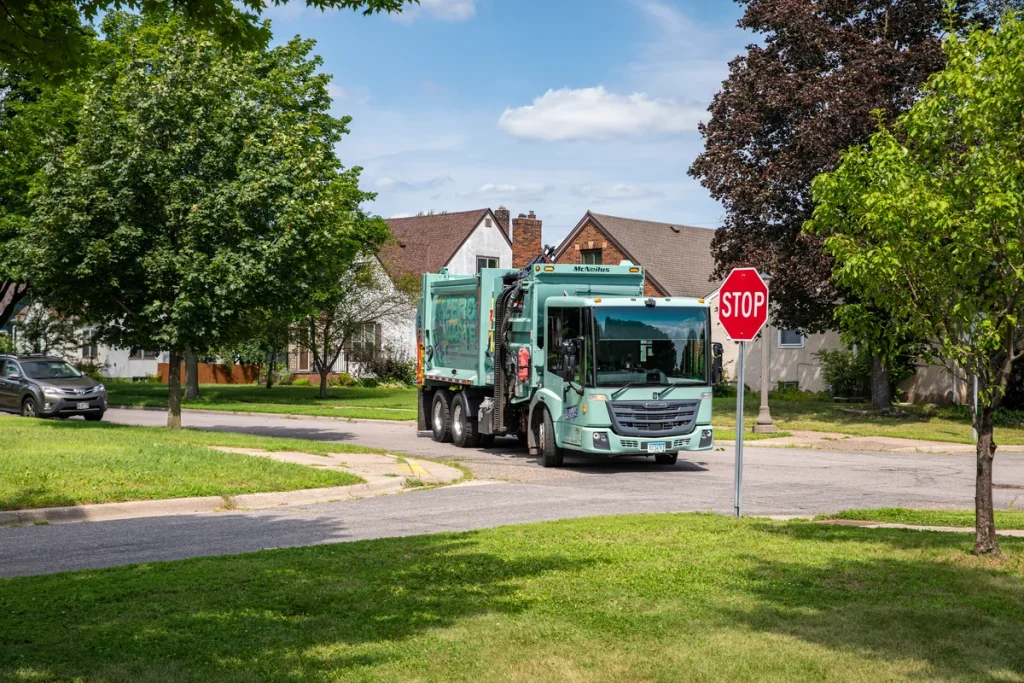
Waste collection trucks operate in demanding environments. They complete repeated lifting and packing cycles, travel through changing weather conditions, and encounter dirt, moisture, debris, and heavy workloads. Without appropriate maintenance, wear can affect performance, increase repair expenses, and interrupt scheduled collection services.
McNeilus side loaders are designed for residential waste collection, with different configurations available for different route requirements. To maintain dependable performance, fleet operators should combine the manufacturer’s maintenance guidance with regular inspections, trained operators, and accurate service records. A consistent maintenance plan can help identify problems early and support better decisions about repairs and vehicle availability.
Follow the Manufacturer’s Maintenance Schedule
The first step in maintaining a refuse truck is to follow the maintenance recommendations provided for its exact model and configuration. Service intervals can vary according to equipment specifications, usage, and operating conditions. Fleet managers should consult the appropriate documentation rather than relying on a generic schedule for every truck.
Maintenance planning should include the chassis, engine or powertrain, brakes, tires, steering, electrical systems, hydraulic components, lifting arm, and packing equipment. Some components may require frequent inspections, while others are serviced at specific intervals.
A documented schedule helps ensure that required work is completed consistently. It also allows managers to plan service appointments around route requirements and reduce the likelihood of avoidable interruptions.
Complete Pre-Trip Inspections
Daily inspections help drivers identify visible issues before beginning a collection route. The inspection should follow the truck manufacturer’s instructions and the fleet’s established safety procedures.
Drivers should check tires, lights, mirrors, brakes, visible fluid leaks, warning indicators, and the general condition of the vehicle. The lifting arm and packing equipment should also be examined for visible damage or unusual conditions according to the approved inspection procedure.
Any defect that could affect safe operation should be reported promptly. Fleet managers need a clear process for determining whether the truck can continue operating or must be inspected by qualified maintenance personnel before returning to service.
Consistent pre-trip checks can help detect concerns that might otherwise remain unnoticed until the truck is working under load.
Inspect Hydraulic Systems Carefully
Hydraulic systems are essential to the operation of many refuse truck lifting and packing mechanisms. Leaks, damaged hoses, worn fittings, or abnormal operating behavior may indicate that inspection or repair is required.
Drivers should look for visible leaks and report unusual movement, inconsistent lifting performance, or other warning signs. They should never attempt unauthorized repairs or work on pressurized components.
Hydraulic maintenance must be performed by qualified personnel following the manufacturer’s instructions and appropriate isolation procedures. Hydraulic systems can retain dangerous pressure, so improvised repairs may create serious hazards.
Maintenance teams should document hydraulic service and monitor recurring faults. Identifying a repeated issue can help technicians investigate its underlying cause rather than repeatedly addressing the same symptom.
Maintain the Lifting Arm and Packing Equipment
The lifting arm experiences repeated movement throughout a collection shift. Operators should use it within the limits specified for the truck and avoid attempting to lift containers that are damaged, overloaded, or incompatible with the equipment.
Routine inspections should look for visible damage, unusual movement, loose or worn components, and other conditions identified in the manufacturer’s maintenance instructions. The packing mechanism also needs appropriate servicing because it works repeatedly to move and compact waste inside the body.
McNeilus side loaders use Excalibre packing cylinders, which are designed with features intended to resist wear and corrosion. These design characteristics do not remove the need for regular inspection, servicing, and correct operation.
Keep Electrical Controls and Diagnostics in Good Condition
Modern refuse trucks may include electronic controls and diagnostic functions that assist with vehicle operation and troubleshooting. Some McNeilus side loader configurations offer McNeilus CODE controls, depending on the model and specification.
Drivers should report warning messages, intermittent controls, or unexpected changes in system behavior. Technicians can use the available diagnostic information alongside physical inspections to investigate faults.
Electrical repairs should be handled by appropriately trained personnel. Keeping connectors, wiring, and control components in suitable condition can help prevent avoidable issues, but maintenance must follow the manufacturer’s procedures.
Use Service Records to Identify Patterns
Accurate records are valuable for long-term fleet reliability. Maintenance logs should include inspection results, repairs, replaced components, service dates, and recurring concerns. These records help managers see whether a particular truck requires more attention than expected.
Repeated repairs may indicate normal wear, demanding operating conditions, an incorrect maintenance interval, or an underlying mechanical problem. Reviewing the history helps technicians and managers decide whether further investigation is needed.
Service records also support budgeting. Managers can estimate upcoming maintenance requirements, plan downtime, and compare the cost of continued repairs with the cost of replacing an older vehicle.
Keep Replacement Parts and Service Support Accessible
Even a well-maintained truck may need repairs or replacement components. Knowing where to obtain suitable parts and how to arrange qualified service can help fleets respond more efficiently.
Atlantic Heavy Duty provides information about McNeilus side loaders and parts support for refuse vehicles, including access to genuine original-equipment parts and parts specialists. Fleet managers should verify availability and service arrangements for their location and truck configuration.
When requesting assistance, provide the vehicle identification details, model information, description of the problem, and relevant service history. Clear information can help parts specialists and technicians understand the situation more quickly.
Train Drivers to Protect Vehicle Reliability
Driver behavior has a direct effect on equipment condition. Operators should be trained to follow loading procedures, observe weight and operating limits, recognize warning signs, and report defects promptly.
Drivers should not force equipment to operate when it encounters an obstruction or appears to be malfunctioning. They should follow approved procedures and request assistance when necessary. Regular refresher training can help reinforce good practices across the fleet.
Plan Maintenance Around Route Requirements
Maintenance is more manageable when it is planned in advance. Fleet managers should coordinate servicing with route schedules and maintain contingency plans for periods when a truck is unavailable.
Preventive service may reduce the risk of some unexpected failures, but no maintenance plan can eliminate every breakdown. Backup vehicle arrangements and realistic route planning help businesses respond when repairs are necessary.
Conclusion
Long-term reliability for McNeilus side loaders depends on consistent inspections, correct hydraulic and packing-system maintenance, trained operators, and accurate service records. Following manufacturer guidance and addressing defects promptly can help protect equipment and reduce avoidable downtime.
Atlantic Heavy Duty can be a resource for buyers exploring McNeilus equipment and parts support. By planning for maintenance before problems arise, waste collection companies can make better-informed decisions about vehicle care and fleet availability.