Retail forex trading has undergone a significant transformation. What once required dedicated hardware, expensive data subscriptions, and a fixed workstation can now be done from a smartphone during a commute, a lunch break, or from any location with a reliable internet connection. Android devices, in particular, have become a preferred platform for active traders—largely because of the growing sophistication of the apps designed for them. The decision to use a specific forex trading app android platform should be guided by a clear understanding of what analysis tools are available and how those tools serve a trader’s specific strategy.
Jump To
- What Types of Market Analysis Are Supported by Android Forex Apps?
- How Do Advanced Charting Features Benefit Active Traders?
- What Indicators Are Most Useful for Identifying Forex Market Trends?
- How Important Is News Integration Within a Forex Trading App?
- What Risk Management Tools Should Be Available in a Forex App?
- How Does Performance Tracking Support Long-Term Improvement?
- The Standard to Hold Your Android Forex App To
This article examines the full spectrum of market analysis capabilities available on Android forex platforms, structured around the questions traders most commonly ask.
What Types of Market Analysis Are Supported by Android Forex Apps?
Android forex apps generally support three distinct approaches to market analysis, each grounded in a different methodology.
Technical analysis uses historical price and volume data to identify patterns and predict future movements. It operates on the premise that price already reflects all available information, and that recurring patterns in price behavior can be identified and traded systematically.
Fundamental analysis focuses on the economic and political forces that drive currency valuations. Traders using this approach study interest rate decisions, inflation data, employment statistics, and geopolitical developments to form a view on the long-term direction of currency pairs.
Sentiment analysis examines the collective positioning of market participants. By understanding whether the majority of traders are buying or selling a particular currency pair, sentiment tools help identify potential exhaustion points and contrarian opportunities.
The most effective traders combine elements from all three approaches rather than relying exclusively on one.
How Do Advanced Charting Features Benefit Active Traders?
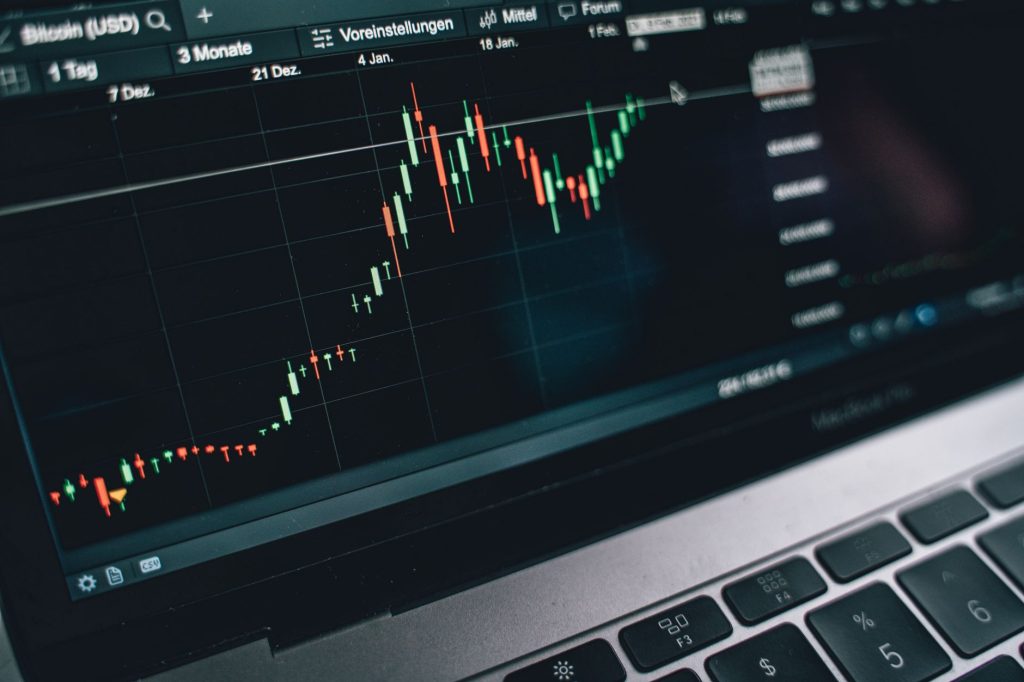
Charting is where analysis becomes visual. A sophisticated charting system allows traders to see price structure clearly, apply analytical tools with precision, and build a repeatable framework for evaluating trade opportunities.
Customizable workspaces are a standout feature of well-designed Android apps. Traders can configure their chart layout—choosing which indicators appear, how they’re displayed, and what timeframe is shown by default—and save those configurations for quick access.
Overlay and comparison tools add further depth. Overlaying two currency pairs on the same chart reveals correlations and divergences that can inform trading decisions. Comparing a currency’s price action against a relevant commodity or index provides additional context.
Historical data depth matters more than many traders realize. Access to years of historical price data allows traders to test their analysis against a wide range of market conditions—not just recent behavior.
What Indicators Are Most Useful for Identifying Forex Market Trends?
Trend identification is one of the most fundamental skills in technical analysis. Several indicator categories serve this purpose well.
Trend-following indicators such as moving averages, the Average Directional Index (ADX), and Ichimoku Cloud components help traders determine whether a clear trend is present and in which direction it’s moving.
Momentum indicators like the RSI and Stochastic Oscillator measure the rate of price change. They’re particularly useful for identifying when a trend is accelerating or beginning to lose strength—a potential early warning sign of a reversal.
Volatility indicators such as Bollinger Bands and the Average True Range (ATR) measure the degree of price fluctuation. Understanding current volatility helps traders set appropriate stop-loss levels and assess whether market conditions suit their strategy.
Each of these indicator categories answers a different question about market behavior. Using them in combination produces a more complete analytical picture than any single indicator can provide.
How Important Is News Integration Within a Forex Trading App?
Very important—especially for traders who hold positions through major economic data releases or central bank announcements.
An in-app news feed aggregates market-moving headlines from financial news sources in real time. Rather than switching between apps to monitor developments, traders can access relevant news directly within their trading platform, reducing reaction time and cognitive load.
Event-based alerts extend this functionality further. Traders can set notifications for specific economic calendar events—receiving a reminder before a scheduled release and an immediate update once the figure is published.
For traders who prefer to avoid trading around news events, this integration serves the opposite purpose: it provides advance warning to close or reduce positions before volatility spikes.
What Risk Management Tools Should Be Available in a Forex App?
Analytical tools help traders identify opportunities. Risk management tools determine how those opportunities are approached.
A reliable Android forex app should include a position size calculator that helps traders determine the appropriate trade size based on their risk parameters and the distance to their stop-loss level. This removes the guesswork from trade sizing and ensures consistency.
Risk/reward ratio displays allow traders to evaluate the theoretical profitability of a trade before entering. A setup that risks more than it stands to gain rarely makes sense, regardless of how strong the technical picture looks.
Stop-loss and take-profit order functionality, accessible directly from the charting interface, ensures that risk parameters are defined before a trade is executed rather than after. This habit is one of the clearest distinctions between disciplined and undisciplined trading.
How Does Performance Tracking Support Long-Term Improvement?
Trading is a skill that develops through iteration. Without systematic performance tracking, traders often repeat the same mistakes without realizing it.
Some Android forex apps include built-in trade journals that log entry and exit prices, trade duration, and profit or loss for each position. More advanced platforms generate performance reports that highlight patterns—such as which currency pairs perform best, which timeframes yield the most consistent results, and how performance varies across different market conditions.
Reviewing this data regularly helps traders refine their approach, reinforce what’s working, and address what isn’t. It transforms trading from a series of isolated decisions into a disciplined, evolving practice.
The Standard to Hold Your Android Forex App To
The quality of market analysis available on Android has reached a level where mobile platforms can genuinely compete with desktop terminals for serious analytical work. The tools are there—multi-timeframe charting, technical indicators, economic calendars, sentiment data, real-time news, and risk management features.
What separates traders who use these tools effectively from those who don’t is rarely access. It’s understanding—knowing what each tool measures, how to interpret what it shows, and how to combine multiple sources of information into a coherent trading decision.
Choose a platform that supports the full analytical process, invest the time to learn its features thoroughly, and approach the market with a structured, repeatable methodology. That combination is where consistent performance begins.
What You Need to Know
- Retail forex trading has shifted from requiring dedicated hardware and expensive setups to being accessible via smartphones with reliable internet.
- Android devices are increasingly favored by active traders due to the advanced capabilities of the trading apps available.
- Android forex trading apps typically facilitate three main types of market analysis: technical, fundamental, and sentiment analysis, each employing different methodologies.
- Sophisticated charting features in trading apps enable traders to visualize price structures, employ analytical tools, and customize their workspaces for efficiency.
- Integrated news feeds within forex trading apps allow traders to access real-time market-moving headlines, improving reaction times during critical economic events.
- Reliable risk management tools like position size calculators and stop-loss functionalities are essential features for disciplined forex trading.