
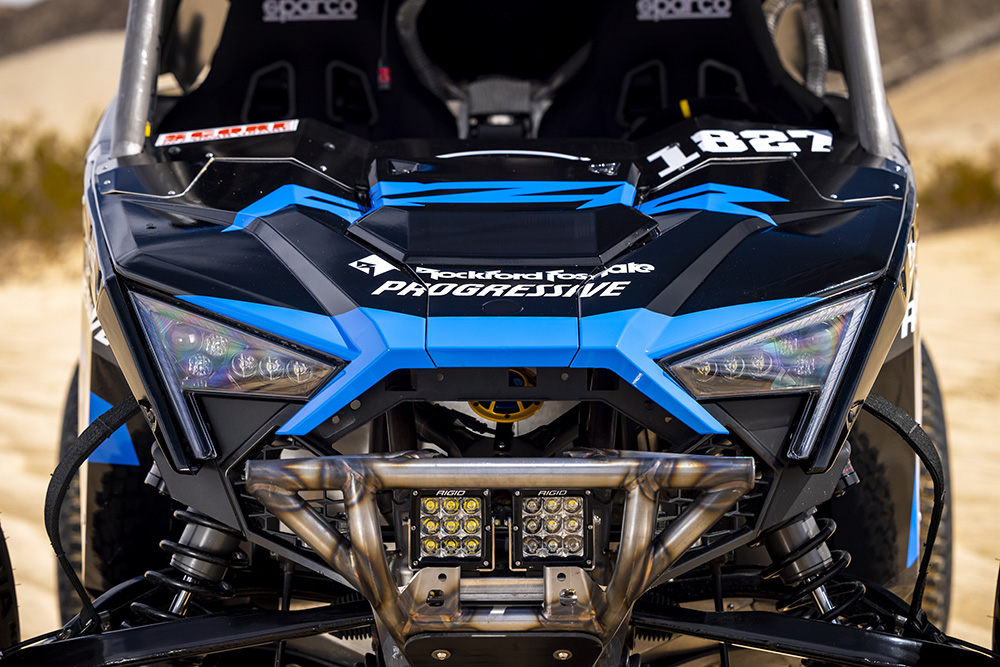
Off-roading isn’t just a weekend hobby—it’s a lifestyle. And in the heart of that lifestyle is the American UTV. From desert dunes in California to muddy backwoods in Kentucky, UTVs (Utility Terrain Vehicles) have become the go-to machines for adventure seekers, landowners, and motorsports competitors alike. But the path to the modern UTV is a story of innovation, culture, and raw mechanical power.
In this post, we’ll explore the rise of the American UTV: its origins, major players, customization culture, and why it has become an indispensable tool and toy for a growing community of enthusiasts across the country.
What Is a UTV?
Before diving into the American UTV scene, it’s important to define what a UTV actually is. A UTV, or side-by-side, is a four- or six-wheeled off-road vehicle designed for work or recreation. Unlike ATVs (All-Terrain Vehicles), UTVs usually have a steering wheel instead of handlebars, seat belts, a roll cage, and side-by-side seating for two to six passengers.
Originally designed for agricultural and utility purposes, UTVs have evolved dramatically over the past two decades. Today’s high-performance models boast turbocharged engines, long-travel suspension systems, GPS tracking, and customizable dashboards.
The American UTV Legacy
The American UTV industry has its roots in the utility sector. Brands like Polaris, Can-Am, and Arctic Cat focused on providing tough, dependable machines for ranchers, hunters, and workers in extreme environments. However, the explosion of recreational off-roading in the early 2000s created a new demand: fast, agile, and modifiable UTVs that could handle everything from rock crawling to desert racing.
Polaris: The Pioneer
Polaris, headquartered in Minnesota, has arguably done more than any other company to define the American UTV market. The introduction of the Polaris RZR in 2007 revolutionized the off-road world. With its lightweight frame, powerful engine, and sport-focused geometry, the RZR series created an entirely new segment: the sport UTV.
Since then, Polaris has continued to push the boundaries with innovations like the RZR Pro R and the XP Turbo models, making them a favorite among off-road racers and recreational riders alike.
Can-Am: The Challenger
BRP’s Can-Am brand, based in Canada but extremely influential in the U.S. market, has kept Polaris on its toes. The Can-Am Maverick series delivers exceptional horsepower—often leading the pack in performance metrics. Their X3 model, with up to 200 horsepower, has earned a cult following for dune riding and sand drag competitions.
Other Key Players
While Polaris and Can-Am dominate headlines, other American UTV manufacturers like Yamaha, Honda, and Textron have also carved out niches. Yamaha’s YXZ1000R, for example, offers a manual transmission for those who crave a more engaged driving experience.
Why Americans Love UTVs
The American UTV’s popularity can be boiled down to three main factors: versatility, community, and culture.
Versatility
Few vehicles offer as much versatility as a UTV. Farmers use them to haul equipment. Hunters use them to access remote locations. Weekend warriors modify them for trail riding, mud bogging, or even racing in events like the Mint 400 or King of the Hammers.
This wide range of applications means a UTV can be a workhorse during the week and a thrill machine on the weekend.
Community
UTV ownership often comes with a built-in community. Across the U.S., there are thousands of riding clubs, forums, Facebook groups, and events where like-minded riders connect, share knowledge, and plan epic trail rides.
Events like the Sand Sports Super Show, UTV World Championship, and Rally on the Rocks bring together vendors, riders, and manufacturers to celebrate the culture and showcase new products.
Customization Culture
Much like the classic hot rod or modern-day drift car, the American UTV has become a canvas for customization. Owners invest in lift kits, performance exhaust systems, LED light bars, sound systems, and even full-body wraps to make their machines truly one of a kind.
Wrap designs featuring aggressive camo patterns, comic art, or metallic finishes have grown in popularity. Platforms like 10kwraps.com support this movement by offering hundreds of design templates specifically tailored for UTVs and off-road builds.
Off-Road UTV Events in the USA
America’s vast and diverse terrain makes it the perfect playground for UTV events. Here are a few of the most iconic ones:
- King of the Hammers (California)
Held in Johnson Valley, this brutal race combines desert speed with extreme rock crawling. Only the toughest UTVs survive.
- UTV Takeover (Oregon, Oklahoma, Utah)
This multi-state festival brings together thousands of riders for races, trail rides, and competitions like hill climbs and drag races.
- DuneFest (Oregon)
Perfect for sand enthusiasts, this event features night rides, show-and-shine contests, and vendor exhibitions.
- Rally on the Rocks (Utah)
Focused on technical rock trails, this event tests driver skill and machine capability against Moab’s iconic red rock terrain.
The American UTV Market in Numbers
Growth: According to market analysts, the UTV segment has been growing at over 6% annually in the U.S. since 2019.
Value: The U.S. market for UTVs is expected to reach $11 billion by 2027.
Sales: Polaris alone sold over 200,000 UTVs in North America in 2023.
These numbers demonstrate that the American UTV isn’t just a cultural phenomenon—it’s an economic powerhouse.
The Future of American UTVs
As electric vehicles grow in popularity, UTV manufacturers are exploring alternative powertrains. Polaris has partnered with Zero Motorcycles to develop electric side-by-sides, aiming to combine off-road capability with sustainability.
Meanwhile, smart technologies such as integrated GPS, Bluetooth audio, live terrain mapping, and even AI-enhanced suspension tuning are becoming standard in premium models.
Expect the American UTV of the future to be quieter, smarter, and even more capable—without sacrificing the adrenaline factor.
Tips for First-Time UTV Buyers
If you’re considering joining the American UTV community, here are a few tips:
Define Your Use: Will you use it for work, sport, or both? This determines whether you need a utility model (like the Polaris Ranger) or a performance model (like the Can-Am Maverick).
Budget for Upgrades: Most owners add thousands in modifications. Budget accordingly if you plan to go all-out on lights, audio, suspension, or wraps.
Check Local Laws: Some states allow UTVs to be street legal with the right modifications. Know your local regulations.
Don’t Skip Safety Gear: Invest in helmets, 4-point harnesses, and helmets—even for casual trail riding.
Join a Local Group: Local UTV clubs are excellent for finding riding buddies, learning trail systems, and accessing events.
Customization Spotlight: Wrapping Your UTV
While performance mods are important, aesthetics also play a big role in the UTV world. A well-wrapped machine not only looks professional, but also protects the OEM plastics and can reflect your personal style or team branding.
Pre-cut wrap kits or universal vinyl rolls can be applied with the right tools and experience. You can opt for aggressive race styles, anime Itasha designs, or sponsor-based looks if you’re racing.
For those wanting pro-level results, there are online platforms where you can browse hundreds of designs and order wraps tailored to your make and model—ideal for builders and hobbyists alike.
Final Thoughts
The American UTV is more than just a rugged off-road vehicle. It represents freedom, adventure, and the mechanical spirit of those who refuse to stay on the pavement. Whether you’re trailblazing through forests, racing across open desert, or just hauling tools across your property, the UTV is a machine that works as hard as it plays.
And as technology continues to evolve, one thing is certain: the American UTV is here to stay—faster, tougher, and more thrilling than ever.
